Thinking about selling your Scottsdale home but not sure when to list? Timing in our desert market can change how quickly you sell and the quality of offers you receive. You want a plan built around Scottsdale’s unique seasonality, your property type, and the buyers you need to reach. In this guide, you’ll learn the best listing windows, what data to watch, and how to structure prep and marketing for a smooth, successful sale. Let’s dive in.
Scottsdale selling season at a glance
Scottsdale follows a clear rhythm. For most luxury and upper‑mid homes, the strongest buyer pools and outcomes usually appear in two windows:
- Primary window: late January through April.
- Secondary window: October through February.
Spring brings renewed local activity after the holidays, while winter draws seasonal and out‑of‑state buyers who are physically here to tour. Summer often slows because of heat and monsoon season, which can reduce foot traffic and curb appeal.
Why winter and spring work
- Winter aligns with seasonal residents and second‑home buyers who spend more time in Arizona from October to February.
- Spring captures broad buyer momentum, strong search activity, and comfortable showing weather.
- If you aim for spring, precise timing matters because inventory typically rises as the season progresses.
When summer can still make sense
Summer is quieter, but there are exceptions. Unique properties with little competition can still shine. If local inventory is very low and well‑qualified buyers are active, a summer launch can work. Just plan for extra attention to landscaping, pool care, and photography.
How to pick your week
You get the best timing when you pair seasonal patterns with current market data. Review neighborhood‑level metrics before you choose a specific week to go live.
Key metrics to review
- Active inventory by month for Scottsdale and your neighborhood.
- New listings by month to spot supply surges.
- Median sale price and price per square foot by month.
- Days on market and median time to contract by month.
- Sale‑to‑list price ratio by month.
- Buyer origin trends, especially out‑of‑state activity in winter.
You can find these through local MLS statistics and market snapshots for Scottsdale and Maricopa County. Use the most recent month‑by‑month reports to validate your plan.
Read the signals
- If days on market shorten and sale‑to‑list ratios rise, it points to a stronger seller window.
- If out‑of‑state interest is climbing in winter, listing between October and February can capture seasonal buyers.
- If neighborhood pricing peaks in February through April, start pre‑market prep in late December or early January to hit that window.
Tailor to your property and buyer
Every home and submarket behaves a little differently. Golf‑community estates in North Scottsdale may respond to winter buyer presence, while family‑oriented homes can see more activity toward late spring as buyers plan summer moves. Match your timing to who is most likely to purchase your property and when they will be here to tour.
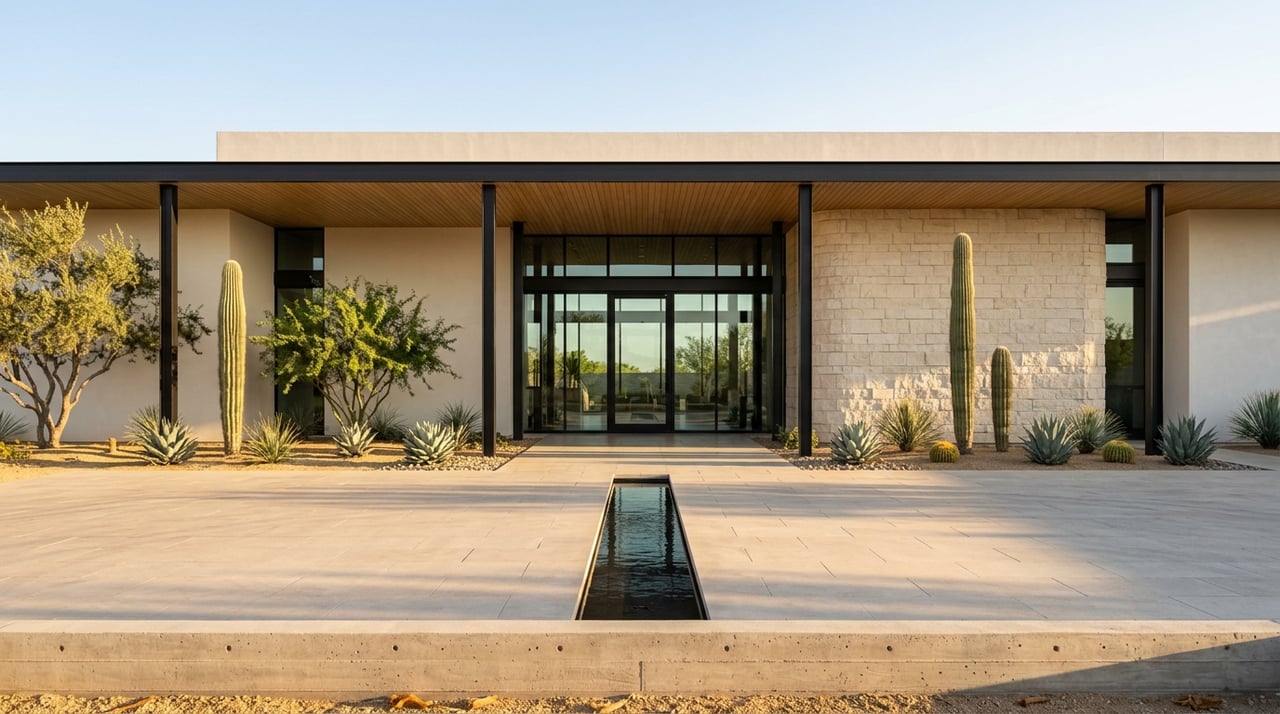
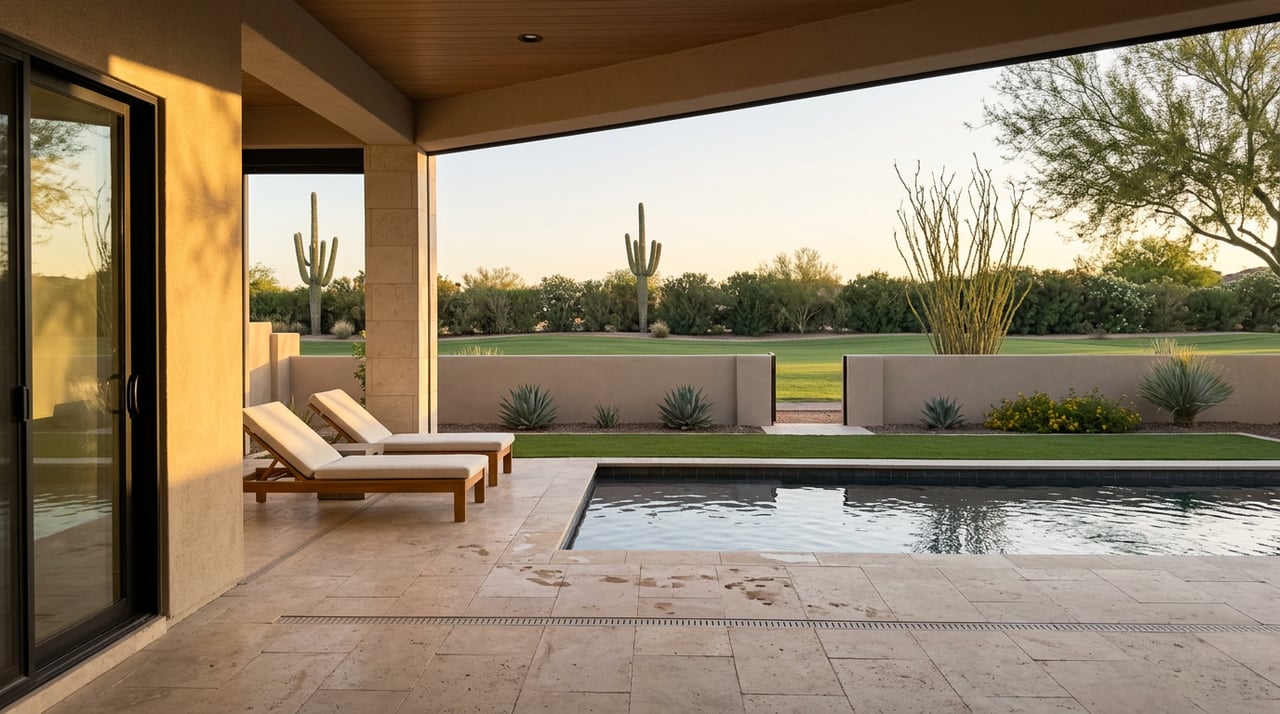
Luxury buyers often fly in for private showings and expect a turnkey experience. If your home offers amenities like golf access, mountain views, and resort‑style outdoor spaces, lean into winter and early spring when lifestyle showings are most effective.
Plan backward from your window
Start with your ideal go‑live week, then build a prep schedule that supports premium presentation. Here are typical timelines:
- Minimal prep: 2 to 4 weeks for cleaning, light staging, and photography.
- Full staging and targeted marketing: 4 to 8 weeks for repairs, landscaping, staging, and media.
- Renovations or major updates: 8 to 12+ weeks, especially if permits or contractor schedules are involved.
Pre‑market checklist
Curb and exterior
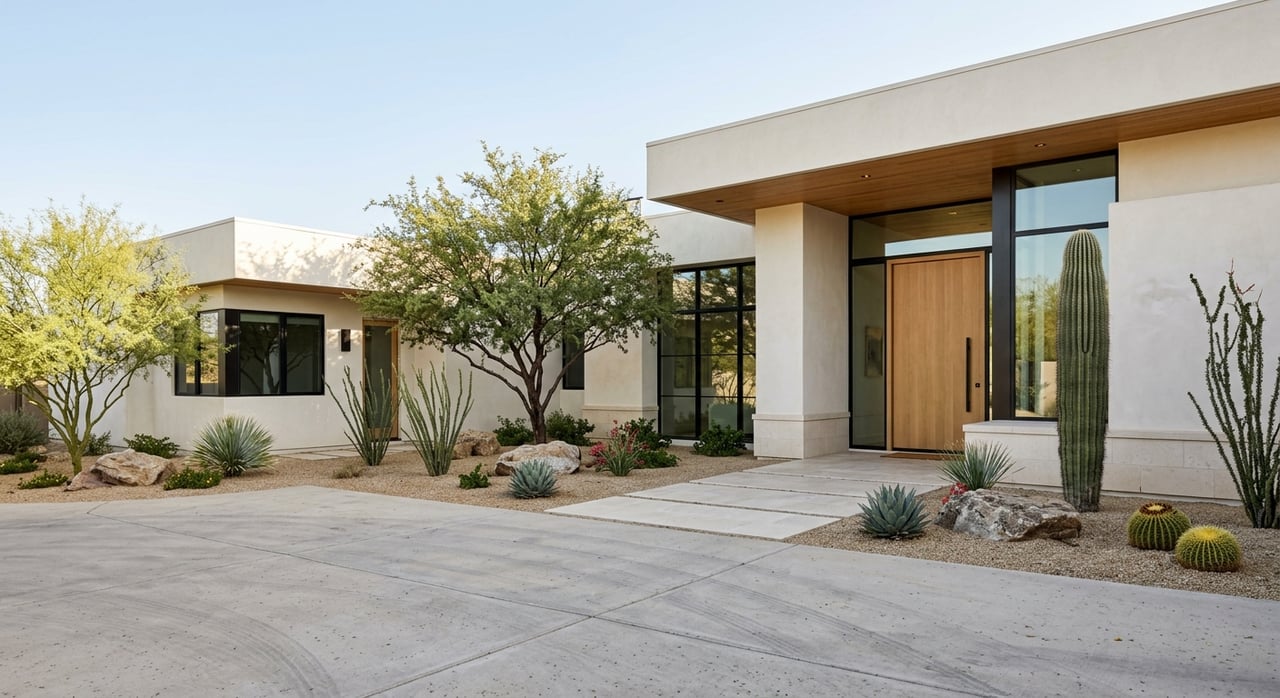
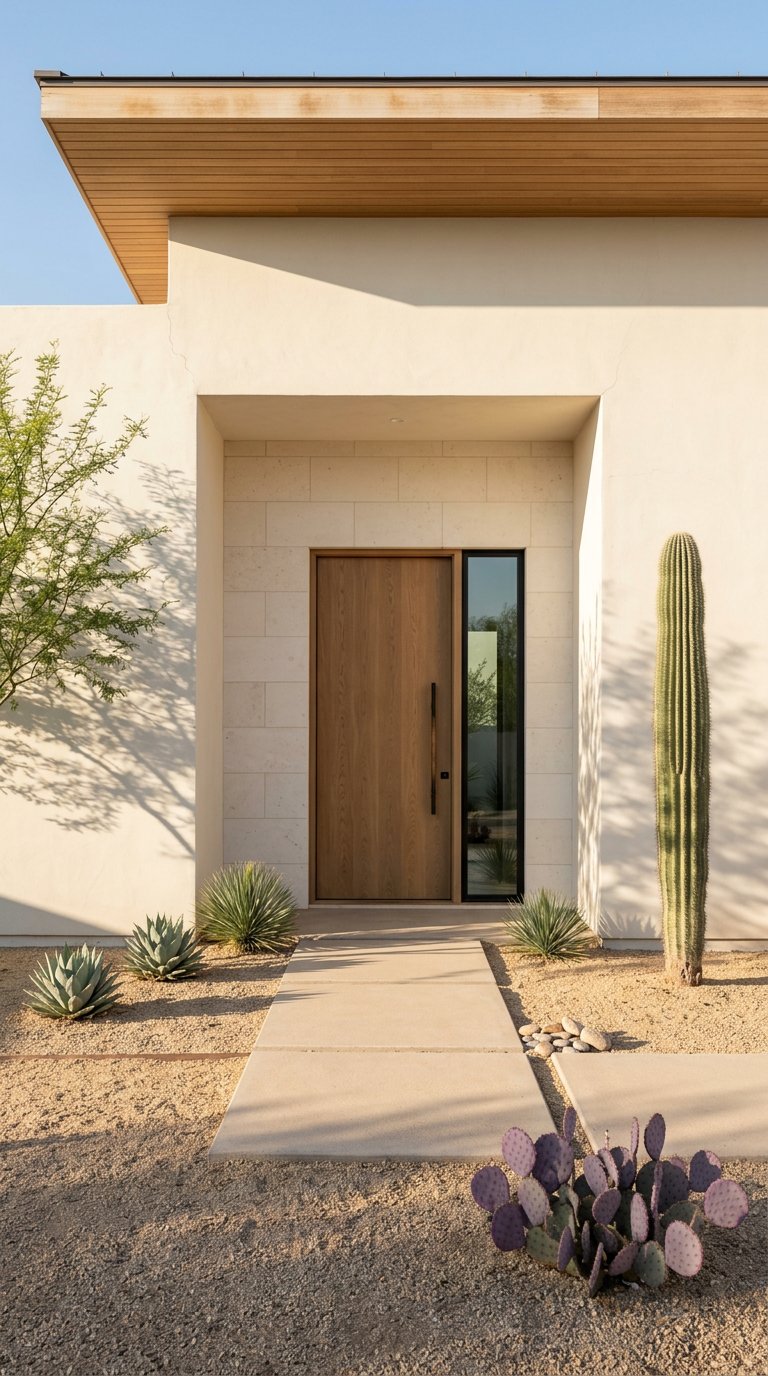
- Professional landscaping and irrigation check with heat‑tolerant plantings.
- Pool and spa service plus equipment inspection.
- Exterior paint touch‑ups and roof evaluation.
- Pressure wash hardscapes and repair pavers or driveway cracks.
Interior and systems
- HVAC inspection and service to highlight system confidence.
- Pre‑listing home inspection to reduce renegotiations later.
- Minor repairs, updated fixtures, and fresh neutral paint.
- Deep clean, declutter, and professional staging.
Paperwork and disclosures
- Prepare the Seller’s Property Disclosure.
- Order HOA resale documents early, since some communities need extra time.
- Gather permits, renovation records, warranties, and manuals.
Marketing assets
- High‑quality photography, including twilight and drone where appropriate.
- 3D or virtual tour, floor plans, and a property website.
- Lifestyle copy and visuals that highlight indoor‑outdoor flow, golf access, and views.
Privacy and access
- Showing plan with appointment protocols and gated access details.
- Secure valuables and artwork and set up temporary storage if needed.
Marketing that meets the moment
Launching well is about timing and targeted exposure. A high‑performing launch typically follows this structure:
- Market timing decision
- Use neighborhood MLS trends, buyer origin patterns, and upcoming inventory to select a specific week within your target window.
- Coming‑soon buzz (if permitted)
- Run a short, 1 to 2 week coming‑soon period to build anticipation. Focus on broker networks, relocation specialists, and serious buyers while staying compliant with local rules.
- Broker and agent outreach
- Host private broker previews just before going live. Reach out to top agents who serve luxury buyers, including those in common origin markets.
- Public launch
- Activate MLS, property website, 3D tour, email campaigns, and targeted digital ads simultaneously. For luxury listings, rely on appointment‑only showings plus strategic broker opens.
- Creative and channels that convert
- Pair premium photography with lifestyle video and editorial‑quality copy. Use targeted social and display campaigns to reach high‑net‑worth audiences and relocation decision makers.
- Pricing and offer handling
- Choose a pricing strategy that fits your buyer pool. Require proof of funds or pre‑approvals before showings to keep the process efficient and secure.
Recommended listing windows with pros and cons
Late January to April
- Pros: High local activity, strong momentum, and great weather for showings and media.
- Cons: Inventory often rises through spring, so early placement can help you stand out.
October to February
- Pros: Seasonal residents and out‑of‑state buyers are in market and available for private tours.
- Cons: Holidays can interrupt scheduling and some buyers travel on weekends only.
May to September
- Pros: Less competition for unique properties and motivated local buyers.
- Cons: Heat and monsoon weather reduce foot traffic and can hinder curb appeal.
Risks and tradeoffs to weigh
Waiting for a perfect window can mean missing today’s qualified buyers or facing changing mortgage rates. Rushing to catch a window might raise prep costs or force partial updates. Luxury listings in winter should account for buyer travel schedules. Above all, current inventory and rate trends can override typical seasonality, so ground your timing in fresh, local data.
Sample 90‑day countdown to a spring launch
8 to 12+ weeks out
- Choose your target week. Order HOA resale documents. Start any permitted work or upgrades. Book vendors and set the staging plan.
4 to 8 weeks out
- Complete repairs. Service HVAC and pool. Refresh landscaping. Stage interiors and outdoor living areas. Deep clean.
2 to 3 weeks out
- Capture photography, twilight shots, drone, 3D tour, floor plans, and video. Draft property website and brochures.
1 to 2 weeks out
- If allowed, activate coming‑soon promotions. Host broker previews. Finalize showing instructions and security.
Launch week
- Go live on MLS, distribute marketing assets, and activate paid campaigns. Gather feedback and stay responsive on pricing and presentation.
Next steps
If you are targeting the late January to April or October to February windows, the right preparation now can put you in front of the strongest buyer pool. If your home is in a gated or golf community, a boutique plan that blends premium presentation with targeted outreach can make a measurable difference. Ready to map your timing and prep schedule around your goals? Connect with the Julie Jurgenson Team to request a custom market read and a detailed pre‑market plan.
FAQs
What is the best time to sell a home in Scottsdale?
- Late January through April is the primary window for strong activity, with October through February as a secondary window for seasonal buyers.
Is winter or spring better for luxury sellers in Scottsdale?
- Winter captures seasonal and out‑of‑state buyers who are in town, while late winter to early spring often delivers broader local momentum and strong search activity.
How far in advance should I prepare my Scottsdale home to sell?
- Plan 4 to 8 weeks for full staging and marketing prep, or 8 to 12+ weeks if you are completing renovations or permitted work.
Do coming‑soon campaigns work in Scottsdale’s luxury market?
- They can be effective when kept to 1 to 2 weeks, focused on broker outreach and qualified buyers, and compliant with local MLS rules.
Does listing during Scottsdale summer ever make sense?
- Yes in select cases, such as unique properties or very low inventory periods, though heat and monsoon season typically reduce showings and curb appeal.